Bullying Prevention Month: Finding Healing Through Stories
Bullying Prevention Month: Finding Healing Through Stories
 S.Michele Echols
 The Healing Shelf – Reflection through Pages
As adults, we can reflect on our childhood experiences and remember numerous incidents where we witnessed subtle acts of bullying. I recall a time in elementary school when a girl who always sat in the back of the cafeteria. She kept her head down, her book open, pretending not to notice when others laughed as they walked by. Years later, I met someone in a corporate office who did the same thing in meetings, not with a book, but with silence. Both were living with the same wound: bullying.
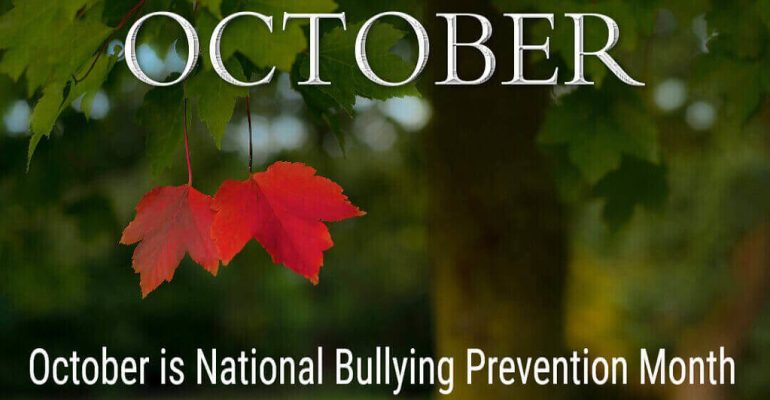
October is National Bullying Prevention Month, a reminder that bullying is not just a childhood issue. It lives in hallways and offices, in group chats and boardrooms. And though the settings change, the feelings stay the same: isolation, shame, fear, and sometimes anger.
At The Healing Shelf, I believe books can meet us in those quiet, hidden places. They can give language to experiences we’ve buried. They can remind us that we’re not alone. And most importantly, they can help us reflect, heal, and move forward.
For Adults: Facing Bullying at Work
Workplace bullying often wears a disguise. It may come as sarcasm, constant criticism, or being left out of conversations that matter. At first, it’s easy to brush it off as “just part of the job.” But over time, the weight builds and confidence starts to erode.
One book that shines a light on this reality is The Bully at Work by Gary Namie and Ruth Namie. It doesn’t sugarcoat the pain, but it does offer clarity and steps for reclaiming your power. Reading it feels a little like sitting with someone who finally puts words to what you’ve been carrying.
Reflection Prompt:
Think about a time when you felt dismissed or undermined at work. What did that experience stir in you — frustration, sadness, anger? Write down how you responded then, and how you might respond differently now if you gave yourself full permission to set boundaries.
Buy The Bully at Work on Bookshop.org (Affiliate Link) — https://bookshop.org/a/87894#/9781402224263
For Teens: Naming the Invisible
Bullying among teens doesn’t always look like shouting or pushing. Sometimes it’s subtle, a group chat you’re not invited to, a friendship that disappears without warning, or laughter that you know is about you. Those small acts can leave deep scars.
Rachel Simmons’ Odd Girl Out brings those quiet forms of bullying into the open. It’s a powerful read not just for teens, but for parents, teachers, and anyone who wants to better understand the pressures young people face.
Reflection Prompt:
Think back to a time when you or someone close to you felt left out. How did it shape the way you saw yourself? If you could go back, what would you say to that younger version of yourself or to the person who was hurting?
Buy Odd Girl Out on Bookshop.org (Affiliate Link) — https://bookshop.org/a/87894#/97805475201
Why Books Help Us Heal
When we read about bullying, it can bring up difficult memories. But that’s also where the healing begins. Books create a gentle distance enough space to see your own story reflected, without being overwhelmed by it. And with reflection prompts, that space becomes a place of growth.
Bibliotherapy isn’t about quick fixes. It’s about slowing down, reading carefully, and asking yourself honest questions. It’s about letting a story sit with you until you begin to see your own strength more clearly.
Closing Thoughts
Bullying prevention is about more than raising awareness. It’s about giving people tools not only to recognize bullying, but to recover from it. Books can be one of those tools.
This October, I invite you to take time with these stories. Let them sit with you. Reflect on the prompts. Share them with a young person, a coworker, or a friend who might need them. Together, we can make space for empathy, resilience, and healing.
🌐 Website: curatedcollectionsbysme.com
📧 Email: michele@curatedcollectionsbysme.com
🔗 LinkedIn: linkedin.com/in/smicheleechols
📌 Pinterest: pinterest.com/business/hub/
Disclaimer
Bibliotherapy is not intended to be a substitute for professional advice, diagnosis, medical treatment, medication, or therapy. Always seek the advice of your physician or qualified mental health provider with any questions you may have regarding any mental health symptom or medical condition. Bibliotherapy is not authorized to make recommendations about medication or serve as a substitute for professional advice. Never disregard professional psychological or medical advice or delay in seeking professional advice or treatment because of something you have read in bibliotherapy.